Amateur vs. Professional Real Estate Photography: What's the Difference?
Amateur vs. Professional Real Estate Photography: What's the Difference?
When it comes to selling a property, first impressions are crucial. That's why it's essential to invest in high-quality real estate photography that showcases your property in the best possible light. While many homeowners may be tempted to save a few dollars by taking their own photos, the truth is that amateur photography simply can't compare to the results you'll get from a professional photographer. In this post, we'll break down the key differences between amateur and professional real estate photography, so you can make an informed decision for your next property sale.
Lighting
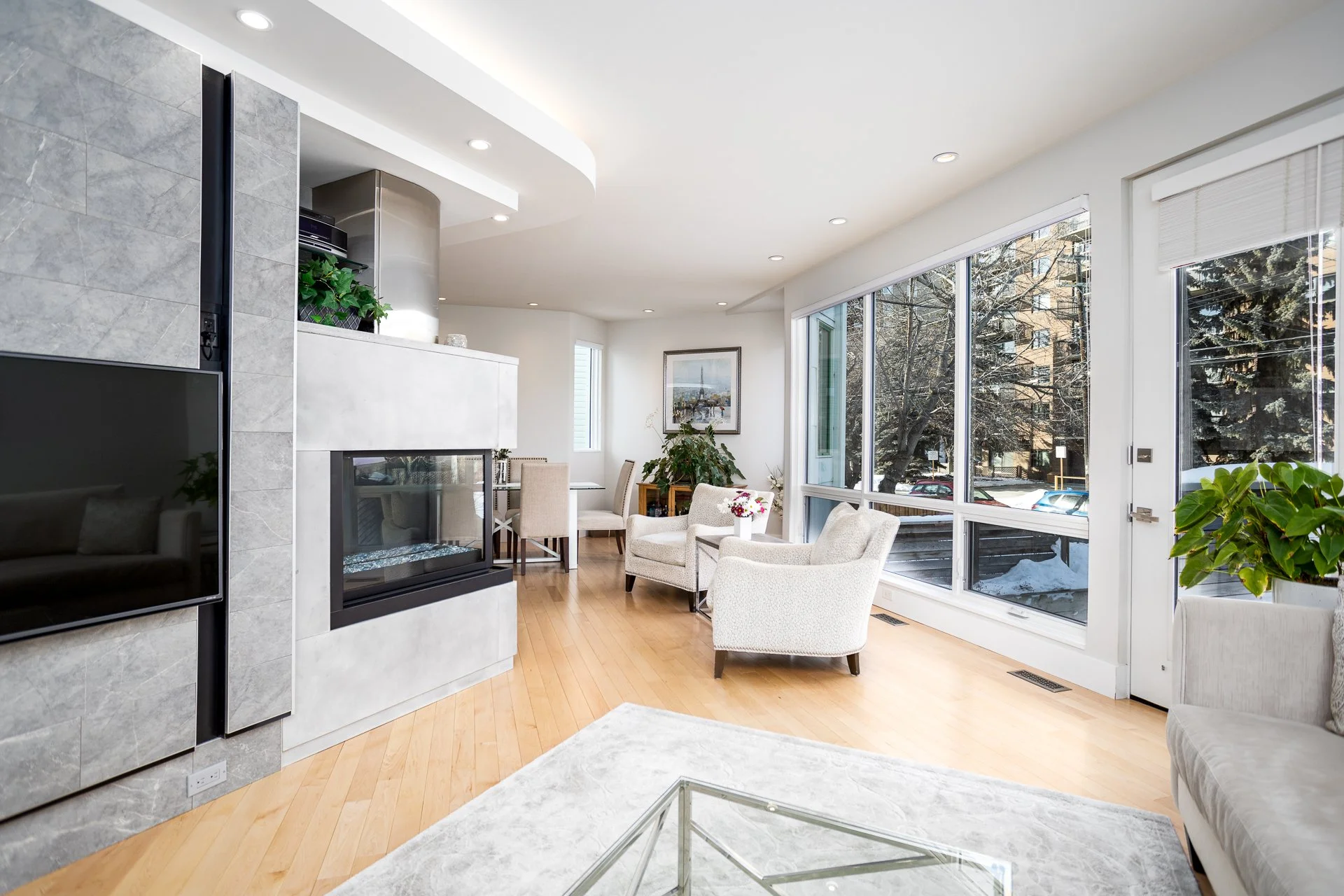
One of the most significant differences between amateur and professional photography is the use of lighting. A professional photographer will have access to high-quality lighting equipment, which can help them to create stunning images that capture the true essence of your property. They'll be able to control the light in the room, highlighting the most important features and creating a warm and inviting atmosphere. Amateurs, on the other hand, will often rely on natural light or the built-in flash on their camera, which can create harsh shadows and unflattering images.
2. Composition
Another key difference between amateur and professional photography is the composition of the images. Professional photographers will have a keen eye for composition, using angles and perspectives that showcase the property in the best possible light. They'll also pay attention to details such as furniture placement and clutter, ensuring that the images are clean and uncluttered. Amateurs, on the other hand, may struggle to find the right composition, resulting in images that don't do your property justice.
3. Equipment
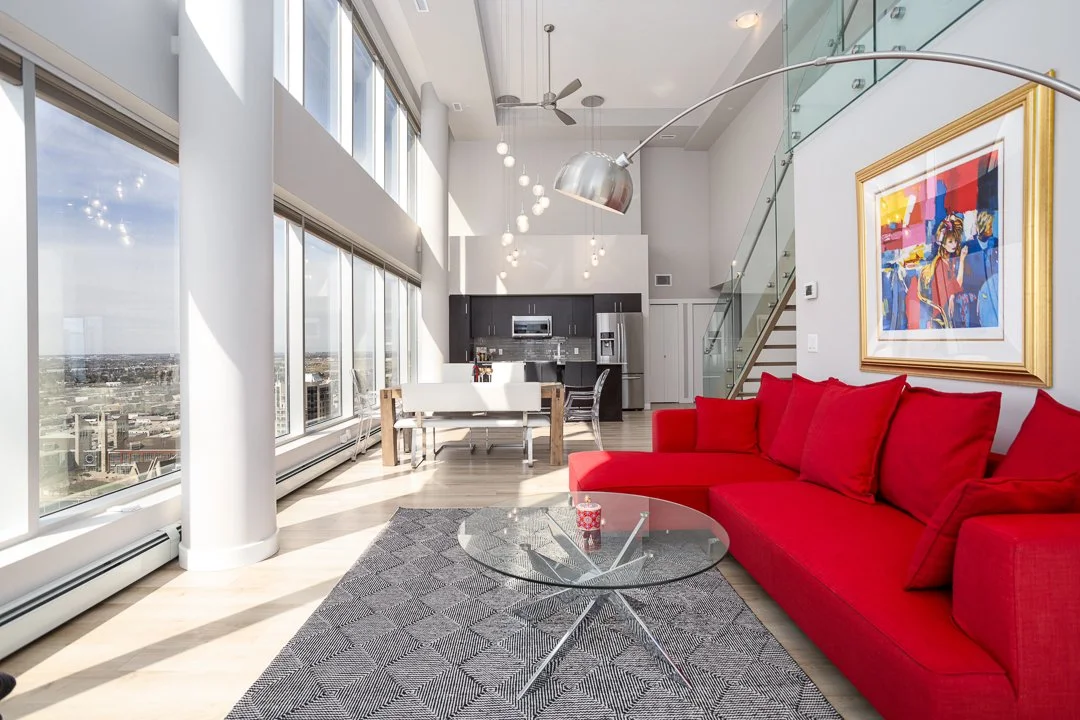
Professional photographers use high-quality equipment that produces sharp, detailed images. They'll have a range of lenses and cameras to choose from, allowing them to capture a wide range of images from different angles. They'll also have access to editing software that can help them to enhance the images and create a polished final product. Amateurs may be limited by the quality of their equipment, resulting in images that are blurry, poorly lit, or grainy.
4. Side-by-Side Image Comparisons
To illustrate the difference between amateur and professional real estate photography, it's helpful to include side-by-side image comparisons. This can help potential sellers to see the impact of professional photography and understand why it's worth the investment. By showcasing similar properties photographed by both an amateur and a professional, you can clearly demonstrate the difference in quality and the impact it can have on the sale of a property.
In conclusion, while it may be tempting to save a few dollars by taking your own real estate photos, the truth is that professional photography is essential for creating stunning images that will help your property stand out in a crowded market. By investing in a professional photographer, you'll be able to showcase your property in the best possible light, ultimately leading to a faster sale and higher sale price.